Grief rarely follows a predictable timeline. In the early days after loss, emotional pain can make decision-making feel urgent and exhausting. There is often a desire to “move forward,” to simplify, to clear away reminders that intensify sorrow. Yet healing does not require immediate resolution of every physical belonging. It is entirely acceptable to gather meaningful items into boxes, label them gently, and return to them months or even years later. Distance can bring clarity. What once felt too painful to hold may later become a source of comfort. By giving yourself permission to pause, you protect both your emotional well-being and the tangible threads that connect you to the one you have lost. Possessions are not substitutes for the person, but they can serve as touchstones — small anchors that keep memory vivid and presence felt. In time, you may discover that preserving certain items does more than safeguard the past; it helps carry love forward, quietly sustaining connection long after farewell.
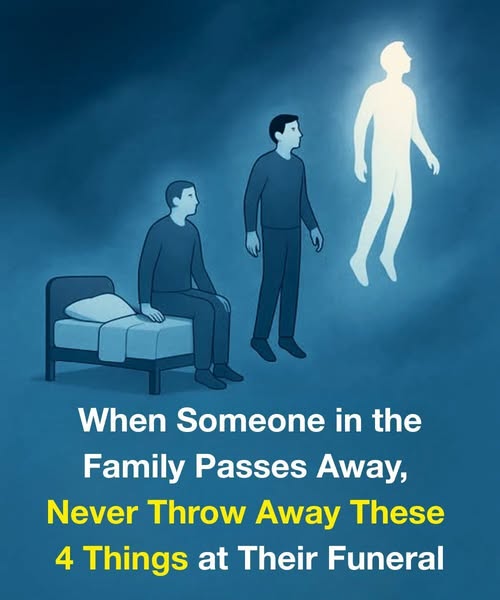
When someone in the family passes away, emotions run high, and decisions are often made quickly during the funeral process. However, there are certain meaningful items you may want to preserve, such as handwritten letters, photographs, personal keepsakes, and important documents. Holding onto these belongings can provide comfort, preserve memories, and protect family history for future generations.
 onLeave a Comment on When someone in the family passes away, emotions run high, and decisions are often made quickly during the funeral process. However, there are certain meaningful items you may want to preserve, such as handwritten letters, photographs, personal keepsakes, and important documents. Holding onto these belongings can provide comfort, preserve memories, and protect family history for future generations.