6. Heart health
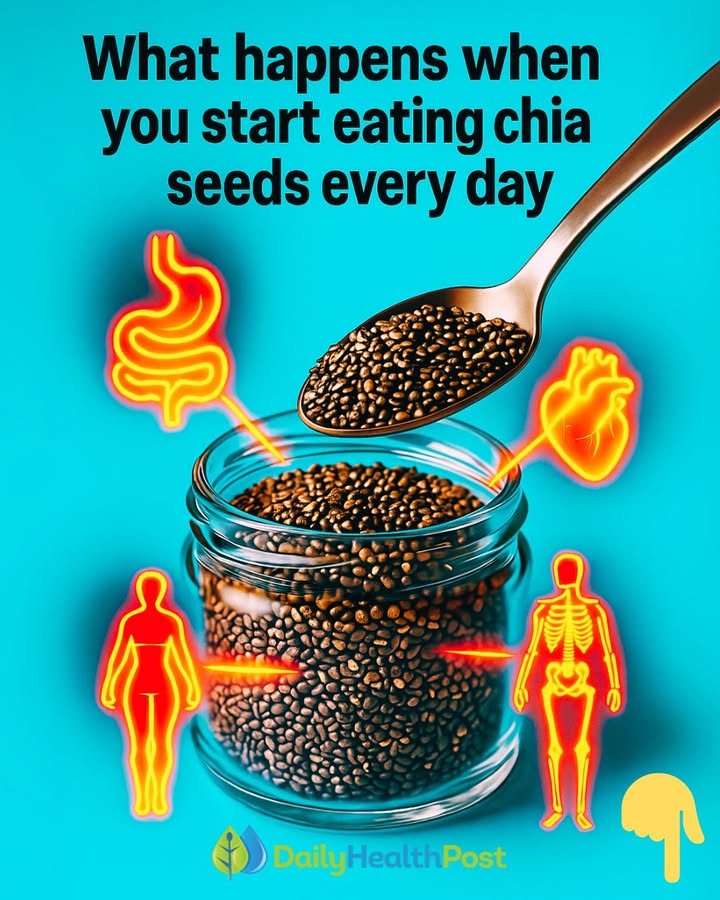
Moving from weight management to your heart’s wellness, chia seeds play a significant role in maintaining a healthy cardiovascular system. These tiny superfood staples are packed with omega-3 fatty acids, mainly alpha-linoleic acid (ALA), which is essential for keeping heart disease at bay.
The high content of ALA in chia seeds can help prevent the buildup of plaque in arteries and support overall heart function.
Consuming chia seeds daily may also lead to other heart-healthy effects such as lowered blood pressure and reduced triglycerides, according to some animal studies. The presence of the antioxidant quercetin not only contributes to this benefit but further helps decrease the risk of developing cardiac conditions.
Moreover, copper—a mineral found aplenty in these seeds—works quietly yet efficiently to keep your heart beating strong and resilient against hypertension and other chronic diseases related to the cardiovascular system.
5. Cholesterol management
These tiny powerhouses help raise HDL, the good cholesterol that protects against heart attacks and strokes.
Regular consumption of chia seeds may also contribute to the lowering of LDL cholesterol and triglyceride levels in your bloodstream. This balancing act means a healthier lipid profile, which reduces your risk for cardiovascular diseases.
Advertisement
Managing your cholesterol doesn’t have to be challenging with chia seeds as part of your diet. Adding 25–50 grams daily has been shown to improve blood lipid balance significantly.
4. Reduction of Free Radicals
After addressing how chia seeds can help manage cholesterol, it’s worth noting their ability to fight oxidative stress. Chia seeds pack a powerful punch of antioxidants like quercetin and caffeic acid, which scavenge destructive free radicals in your body.
These tiny but mighty seeds from the Salvia hispanica plant offer defense against the cellular damage that excess free radicals cause.
Eating chia seeds daily contributes to maintaining a balanced antioxidant state within your body. This balance is crucial since an overload of free radicals plays a role in the aging process and may increase the risk for various cancers.