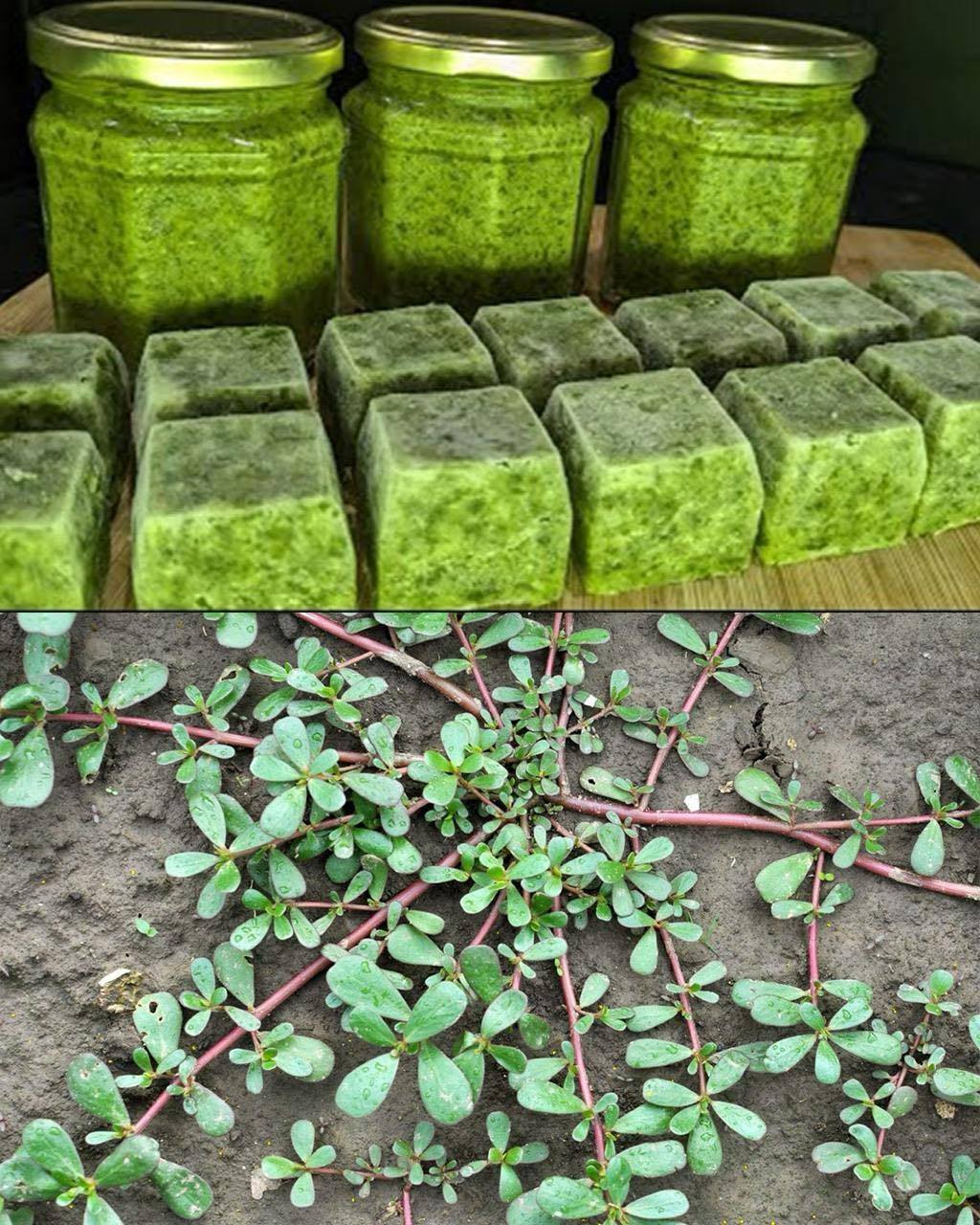
You may know it as a weed.
It pops up in gardens, sidewalk cracks, and flower beds — persistent, low-growing, and often pulled out without a second thought.
But what if one of the most nutritiousin your backyard is purslane (Portulaca oleracea)?
Far from being just a garden intruder, purslane is actually:
✅ One of the richest plant sources of omega-3 fatty acids
✅ Packed with antioxidants,and minerals
✅ Used for centuries in Mediterranean, Mexican, and traditional Chinese diets
And for adults over 60 — when heart health, joint comfort, and brain function become top priorities — adding nutrient-dense foods like purslane to your diet can offer meaningful support.
Let’s explore what science says about eating purslane daily — and how this humble green might quietly boost your wellness after 60.
🥬 What Is Purslane?
Purslane is a succulent plant with:
Thick, juicy stems
Small, paddle-shaped green leaves
A slightly tangy, lemony flavor (similar to spinach or watercress)
It grows wild in many climates and can be eaten raw in salads, sautéed, or added to soups and stews.
Despite its reputation as a “weed,” it’s completely safe to eat — and surprisingly nutritious.
🧪 Nutritional Powerhouse: Why Purslane Stands Out
Per 100g (about 1 cup chopped), purslane contains:
💚
Alpha-linolenic acid (ALA)
– Plant-based omega-3
Supports heart and brain health — higher than any leafy green
🔬
Glutathione & betalains
– Antioxidants
Help fight oxidative stress linked to aging
Boosts immunity and collagen production for skin health
☀️
Vitamin E
Protects cells and supports skin integrity
🦴
Magnesium & Potassium
Support blood pressure regulation and muscle function
🌱
Dietary fiber
Aids digestion and gut health
✅ In fact, purslane has more omega-3s per gram than spinach, kale, or even some fish — making it a valuable addition to plant-based diets.
✅ Potential Benefits of Eating Purslane Daily (Especially After 60)
1. Supports Heart Health
Omega-3s help reduce inflammation and improve cholesterol levels
Potassium helps regulate blood pressure
🫀 Studies suggest regular intake of plant-based ALA lowers cardiovascular risk
2. May Aid Cognitive Function
Omega-3s are essential for brain cell membranes
Antioxidants protect against neurodegeneration
🧠 While not a cure, a diet rich in anti-inflammatory foods supports long-term brain health
3. Promotes Healthy Skin & Joints
Vitamin C boosts collagen — important for skin elasticity and joint tissue
Anti-inflammatory compounds may ease mild stiffness
💧 Its high water content also helps keep skin hydrated
4. Supports Digestive Wellness
Fiber content encourages healthy bowel movements
Mild mucilage (gel-like substance) soothes the digestive tract
🥗 Best when combined with other fiber-rich foods and plenty of water
5. Low-Calorie, High-Nutrient Snack Option
Only ~20 calories per cup
Adds volume and nutrition to meals without excess sugar or fat
🥙 Great for weight management and balanced eating
⚠️ Safety & Precautions
While purslane is safe for most people, there are a few things to consider:
People with kidney stones
Contains oxalates — may contribute to stone formation in sensitive individuals
❗
Those on blood thinners
High vitamin K content can interfere with medications like warfarin — consistency matters
❗
Allergic reactions (rare)
Stop use if rash, itching, or stomach upset occurs
❗
Wild harvesting
Only pick from clean areas free of pesticides, pollution, or pet waste