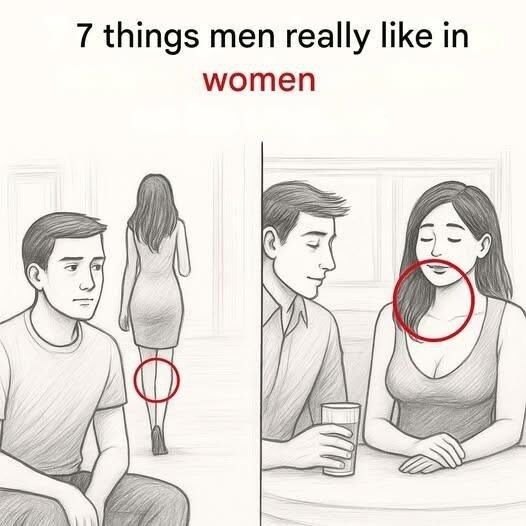
The outside world might interpret that image differently. It might assign meaning that isn’t there. It might project ideas shaped by culture, media, or assumption.
But the reality is quieter.
That posture isn’t about being seen.
It’s about finally not being watched.
It’s about letting the body rest in a way that feels natural, without adjusting, without thinking about how it appears. It’s about comfort that isn’t curated. Stillness that isn’t staged.
And maybe that’s why it’s so often misunderstood.
Because we’ve become so used to seeing moments as intentional, as shareable, as performative, that we forget what unfiltered rest looks like.
We forget that sometimes, a person lying still is not trying to say anything at all.
They’re just trying to breathe.
There’s also something deeply restorative about choosing stillness without guilt.
In a world that constantly pushes movement, productivity, and progress, stopping can feel almost rebellious. Doing nothing—truly nothing—can feel like something that needs to be justified.
But in that moment, she isn’t just resting physically.
She’s reclaiming time.
Even if it’s just for a few minutes.
She’s allowing herself to pause without needing a reason. Without needing to prove that she’s earned it. Without turning it into something useful or productive.
And that matters more than it seems.