
5. What The Web Is Actually Hunting (And How It Catches Prey)
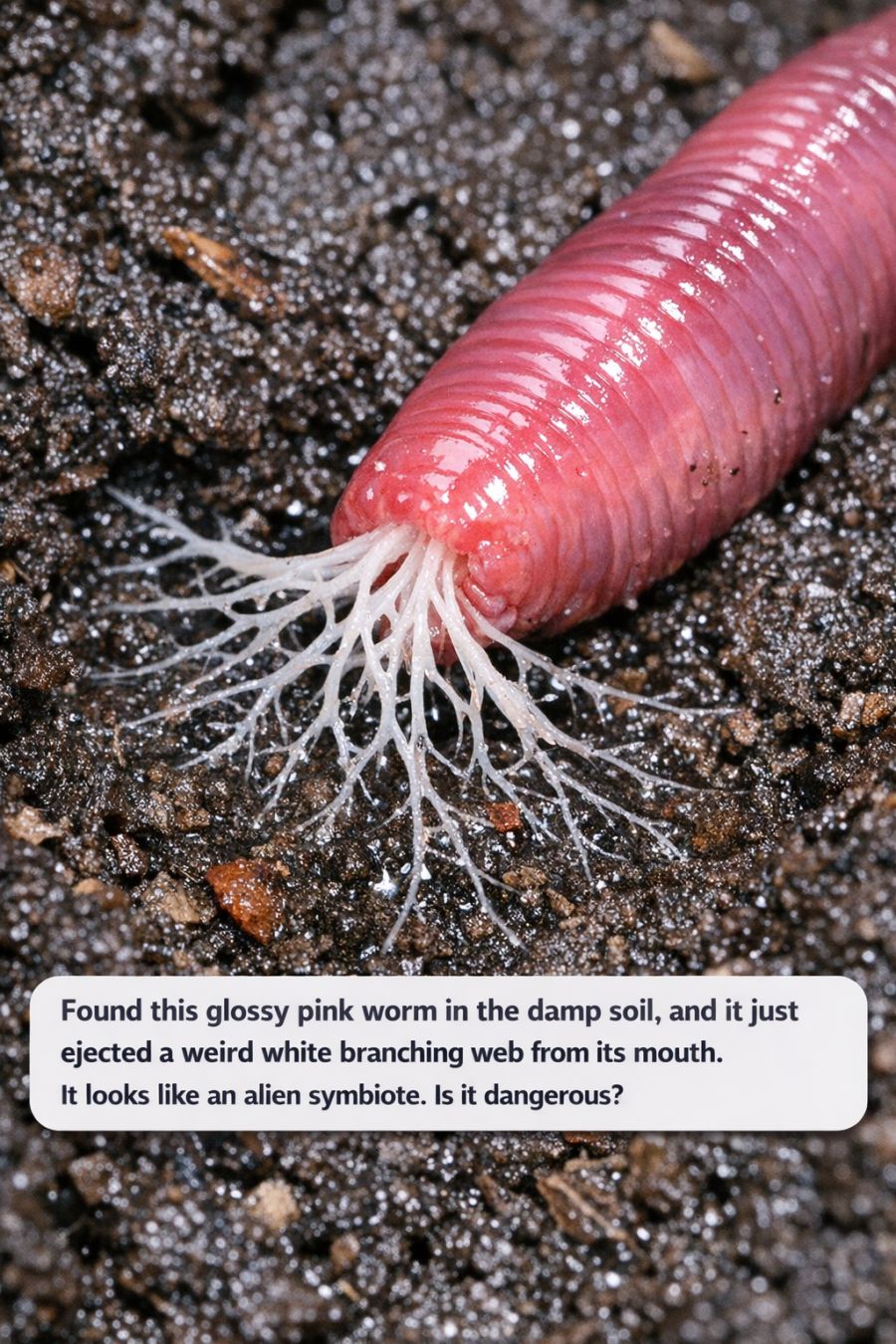
Ribbon worms primarily hunt small invertebrates, such as crustaceans, mollusks, and other worms. They are ambush predators that rely on their proboscis to capture prey quickly. When a suitable target comes within range, the worm rapidly everts its proboscis, which can extend several times the length of its body.
The proboscis is often sticky or armed with toxins, allowing it to adhere to or immobilize the prey. Once captured, the prey is drawn back towards the worm’s mouth, where it is consumed. This efficient hunting mechanism allows ribbon worms to thrive in a variety of environments, from shallow tidal pools to deep ocean trenches.
6. How To Tell A Ribbon Worm From Earthworms And Other Look-Alikes
Ribbon worms can be distinguished from earthworms and other similar creatures by their appearance and behavior. Ribbon worms tend to be flatter and more vibrantly colored than earthworms, which are typically brown or reddish. The glossiness of a ribbon worm’s body is another distinguishing feature, as earthworms are generally less shiny.
Behaviorally, the rapid eversion of the proboscis is a key characteristic of ribbon worms. Earthworms, on the other hand, do not have a proboscis and move by peristaltic contractions of their body segments. Observing these traits can help you accurately identify the worm you have found.
7. Where These Worms Live And Why They Show Up In Your Yard
Found this glossy pink worm in the damp soil, and it just ejected a weird white branching web from its mouth. It looks like an alien symbiote. Is it dangerous?



Pages: 1 2
